How to buy a motorcycle safely
Start with the paperwork. Ask for the registration certificate and confirm the VIN on the document matches the number stamped on the frame. Then check whether the machine carries an outstanding lien or seizure — that record is public, and skipping it is the single most expensive mistake a buyer can make in Georgia.
Mechanically, look at chain and sprocket wear, brake disc thickness, tyre manufacture dates and the state of the engine oil. Starting the bike from cold tells you the most: unusual noise, blue smoke or a reluctant start all point to real money. If you are not confident judging that, bring someone who is.
Meet somewhere public and in daylight, and treat a seller who will only meet after dark or insists on an immediate deposit as a warning sign. Pay once the machine and the paperwork are both in front of you. Deposits sent ahead of a viewing are the most common way buyers lose money on any marketplace, and no legitimate seller needs one to hold a listing for a day.
Customs clearance on imported motorcycles
A motorcycle brought in from abroad is subject to Georgian customs clearance. The charge combines excise, calculated from engine displacement and the age of the machine, with an import tax, plus a fixed customs service fee on top.
Our customs calculator estimates the total from the model year and displacement using rs.ge tariffs. Run it before you commit: on older or large-displacement machines the clearance cost frequently approaches the price of the motorcycle itself, and buyers discover this after the purchase far too often.
Keep every customs document after clearance. You will need them at registration, and again if you sell the machine on — a buyer who cannot see proof of clearance will discount your asking price or walk away entirely.
Transfer and registration
Ownership transfers are processed at a House of Justice or Public Service Hall. You will need identity documents for both parties, the registration certificate and a purchase agreement. The procedure normally completes within a day.
If you are selling, do not hand over the machine before the transfer is recorded — until it is, fines and liability remain yours. If you are buying, do not pay in full until the documents are in your name. Both sides are protected by doing the paperwork first.
Insurance is not compulsory for motorcycles in Georgia, but third-party cover is inexpensive relative to the cost of a claim. If you ride daily or commute through Tbilisi traffic, it is worth arranging before the first ride rather than after an incident.
Prices and seasonality
The Georgian market is seasonal. Demand and prices climb through April and May, then soften from October onward as sellers become more willing to negotiate. If your timing is flexible, buying in winter typically saves 10-15% against the same machine in spring.
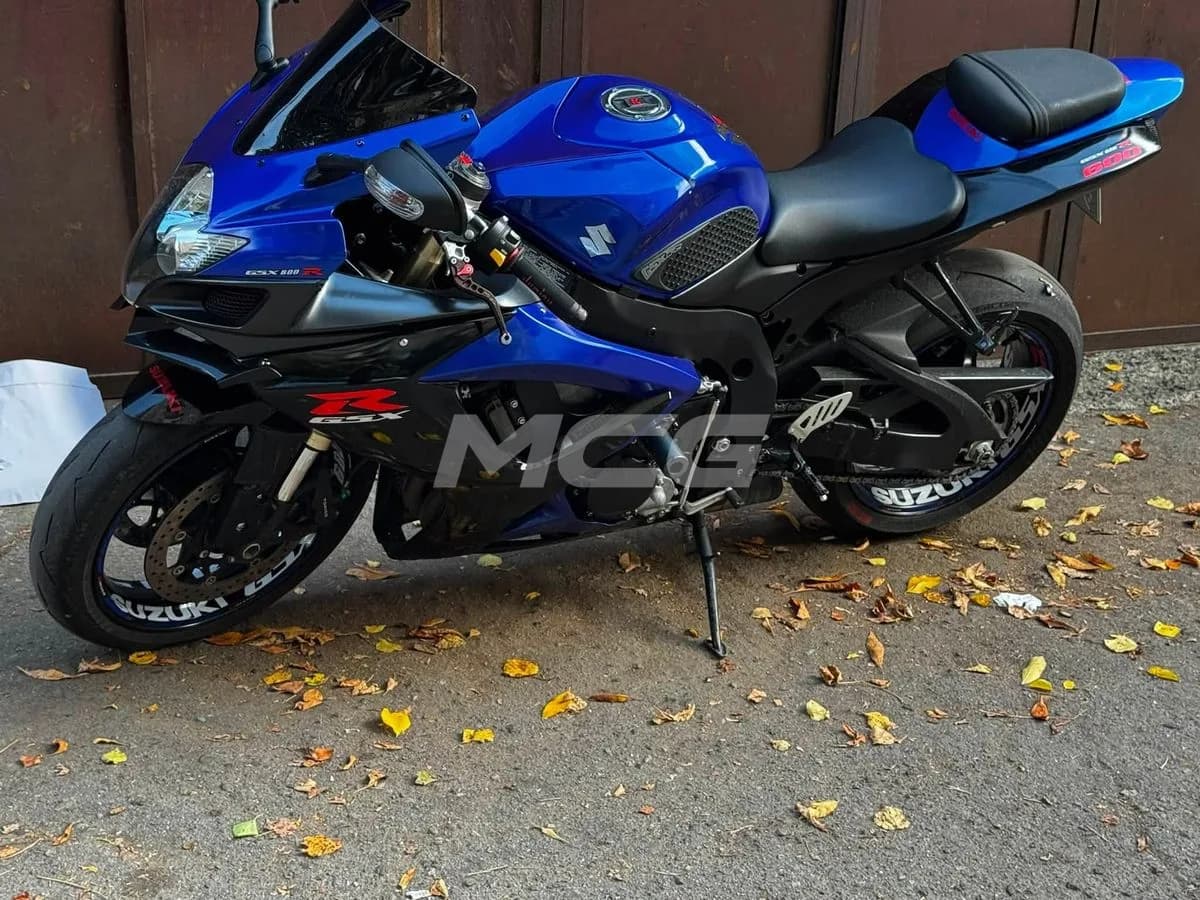
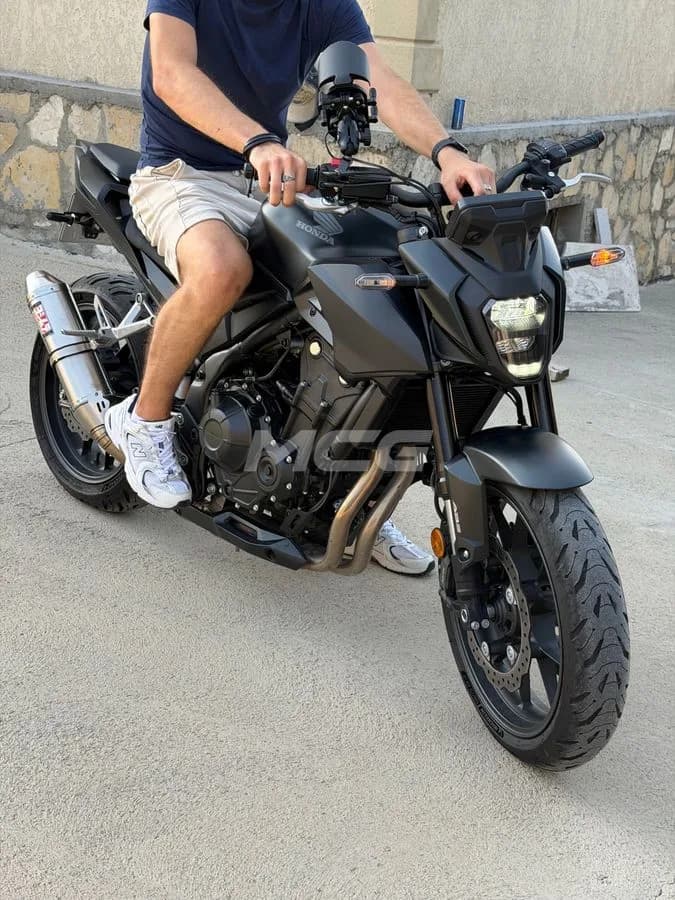
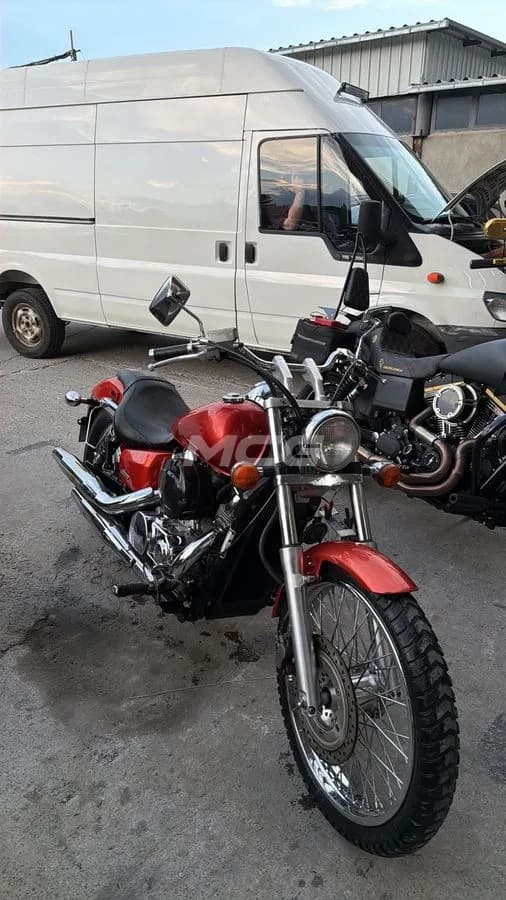
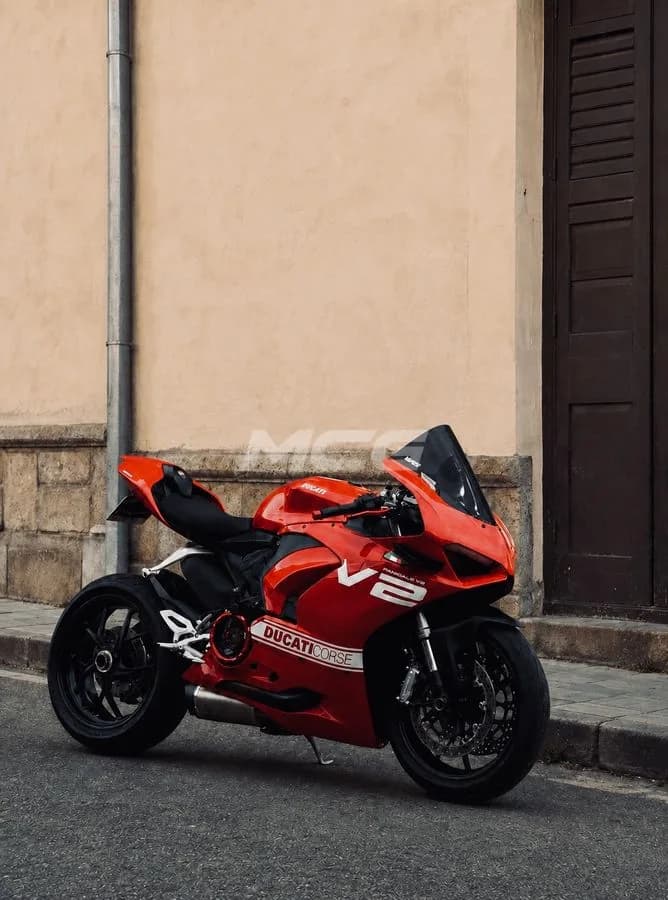
Price is driven by displacement, mileage, model year and whether customs has already been paid. Machines between 125cc and 250cc are the most affordable way into riding, while sport and touring models above 600cc sit at the top of the market. Every listing shows its price in GEL or USD and states its customs status.
Listings on MCG Market show the date they were posted, so you can judge how long a machine has been sitting. Something advertised for two or three months at an unchanged price usually means the seller is open to an offer.
Selling your motorcycle
A good listing does most of the work. Photograph the machine clean, in daylight, from both sides, three-quarter front and rear, plus the dash, the chain and any damage you already know about. Hiding a scratch only wastes the time of a buyer who will find it at the viewing anyway.
Write the description around what a buyer actually needs: year, mileage, service history, what has recently been replaced, customs status and why you are selling. Listings that answer those questions up front attract far fewer time-wasting enquiries.
Price against comparable machines already listed rather than against what you paid. Displacement, year and mileage set the market; sentimental value and the money you spent on accessories rarely transfer to the sale price.
Riding conditions in Georgia
The riding season runs roughly from April to October. Mountain routes toward Kazbegi, Svaneti and Tusheti open later than the lowlands and can hold snow into June, so check conditions before committing to a long trip.
Road surfaces vary sharply outside the main highways. Gravel, unmarked repairs and livestock on rural roads are normal rather than exceptional, which is part of why adventure and dual-sport machines are disproportionately popular here relative to pure sport bikes.
Summer heat in Tbilisi regularly exceeds 35°C. Ventilated textile gear and a helmet with genuine airflow make a bigger difference to daily riding comfort than most riders expect before their first August in the city.